


Toy
Schnoodle
A small companion with proper dog needs. Look beyond the tiny-dog label to understand safe handling, confidence and everyday care.
Schnauzer × Poodle. Many possibilities. One individual dog.

What does
this size mean?
“Toy Schnoodle” commonly describes a smaller Schnauzer-Poodle cross, often involving a Miniature Schnauzer and a Toy Poodle. There is no universal Toy Schnoodle standard, so the word toy is not enough to tell you the final height or build. It also does not tell you how confident, active or sociable the adult dog will be.
Ask for measured adult parents and, when available, adult relatives from earlier litters. A Toy Poodle is not the same thing as a Toy Schnoodle, and the parent’s size classification is not inherited as a certificate with fixed boundaries. If a predictable very small adult size is essential for your home or travel plans, an already mature dog may provide more certainty than a puppy.
Measure the individual. Height is ground to withers. Check chest, neck and back measurements for equipment. A healthy weight is assessed with body condition and muscle, not a size-name target.
Daily life with a
Toy Schnoodle.
A safer small-dog home
Look for gaps in gates, access to stairs and places a little dog might get trapped. Fit equipment to the actual chest and neck, check it during growth and supervise interactions with larger dogs. Plan a safe way to travel before the first journey.
Confidence at ground level
Let your dog investigate suitable surroundings instead of carrying them through every experience. Use distance and choice around busy dogs or crowds. Calm exploration and an easy exit are more useful than insisting on an overwhelming greeting.
Gentle handling, clear boundaries
Teach cooperative lifting when it is needed, supporting the body rather than grabbing at the front legs. Children need an adult to supervise. Small size does not make a dog safe to squeeze, chase or pick up without warning.
Small body.
Real maintenance.
A comfortable mouth and coat
Introduce mouth handling and a soft dog toothbrush in tiny, pleasant steps; ask a vet about sore gums, persistent bad breath or changes in chewing. For the coat, practise the sight and touch of a brush before tackling a difficult knot. A short pet haircut can be useful, but the comfortable routine depends on the actual coat and skin.
Food rewards count
It is easy to lose track of extras when many people reward a small dog. Agree who feeds each meal, measure the daily ration and include training rewards. Ask your vet about suitable portions and growth. Do not skip puppy meals or impose a weight target to keep a dog within a marketing category.
Teach the life
you want to share.
Make everyday skills work at your dog’s height: a rewarded check-in, a comfortable harness, a hand target and a safe return in a secure space. Keep sessions short enough that the dog remains interested. If a stranger or another dog feels too close, create distance before trying to teach.
Teach a calm place to rest and build separations gradually. A small dog can still experience serious distress when alone. Arrange company for absences beyond their current comfort. New or escalating behaviour problems warrant support, rather than an assumption that little dogs are simply meant to be noisy.
Ask for evidence.
Leave room for variation.
Ask which health checks and relevant screening were performed on each parent, request the actual results and discuss their meaning with a vet. “Vet checked” is not the same as a documented screening programme. A cross can inherit problems from either line; mixing breeds does not provide a guarantee against illness.
Meet the individual and discuss your household honestly with a responsible breeder or rescue. No size label guarantees an easy family dog, a particular coat or freedom from allergies. If allergies affect the household, seek medical advice and spend time around the actual dog before committing.
A little more clarity.
Is a Toy Schnoodle a teacup dog?
Teacup is not a universally recognised Schnoodle size standard. Ask for actual adult parent measurements and health information. A promise of extreme smallness is not a substitute for evidence about welfare and development.
Can a Toy Schnoodle walk normally?
A healthy dog can enjoy suitable walks and sniffing at their own pace. Adjust length and terrain to the individual, age, health and weather. Small size does not automatically mean the dog should be carried everywhere.
Is Toy easier than Miniature?
Not automatically. A smaller body changes handling and equipment, but does not remove grooming, teaching or companionship needs. Compare the actual dogs and your care arrangements.
Four labels.
Plenty of personality.
Toy Schnoodle →
Small companion, full-sized care needs.
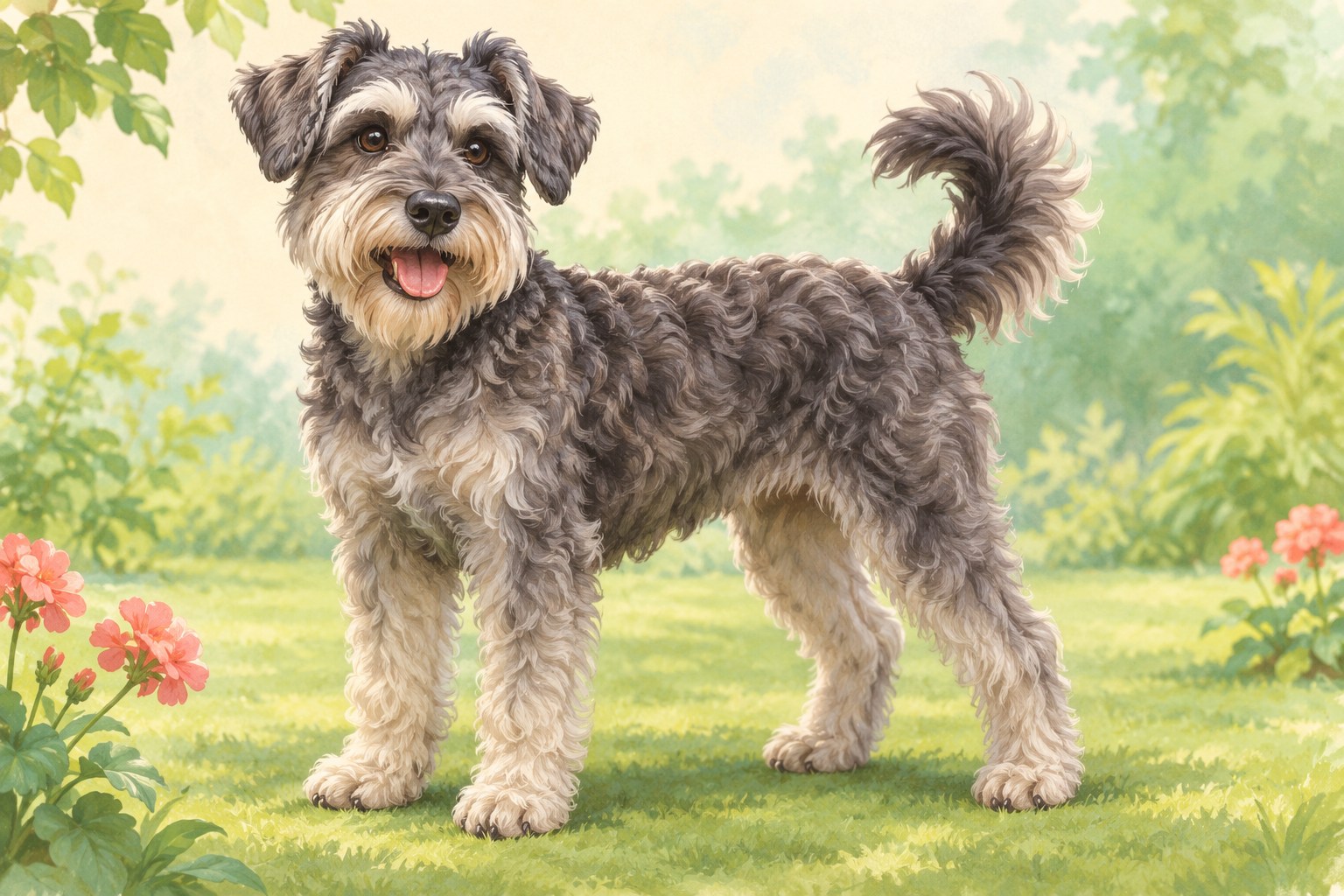
Miniature Schnoodle →
Compact, curious and ready to learn.
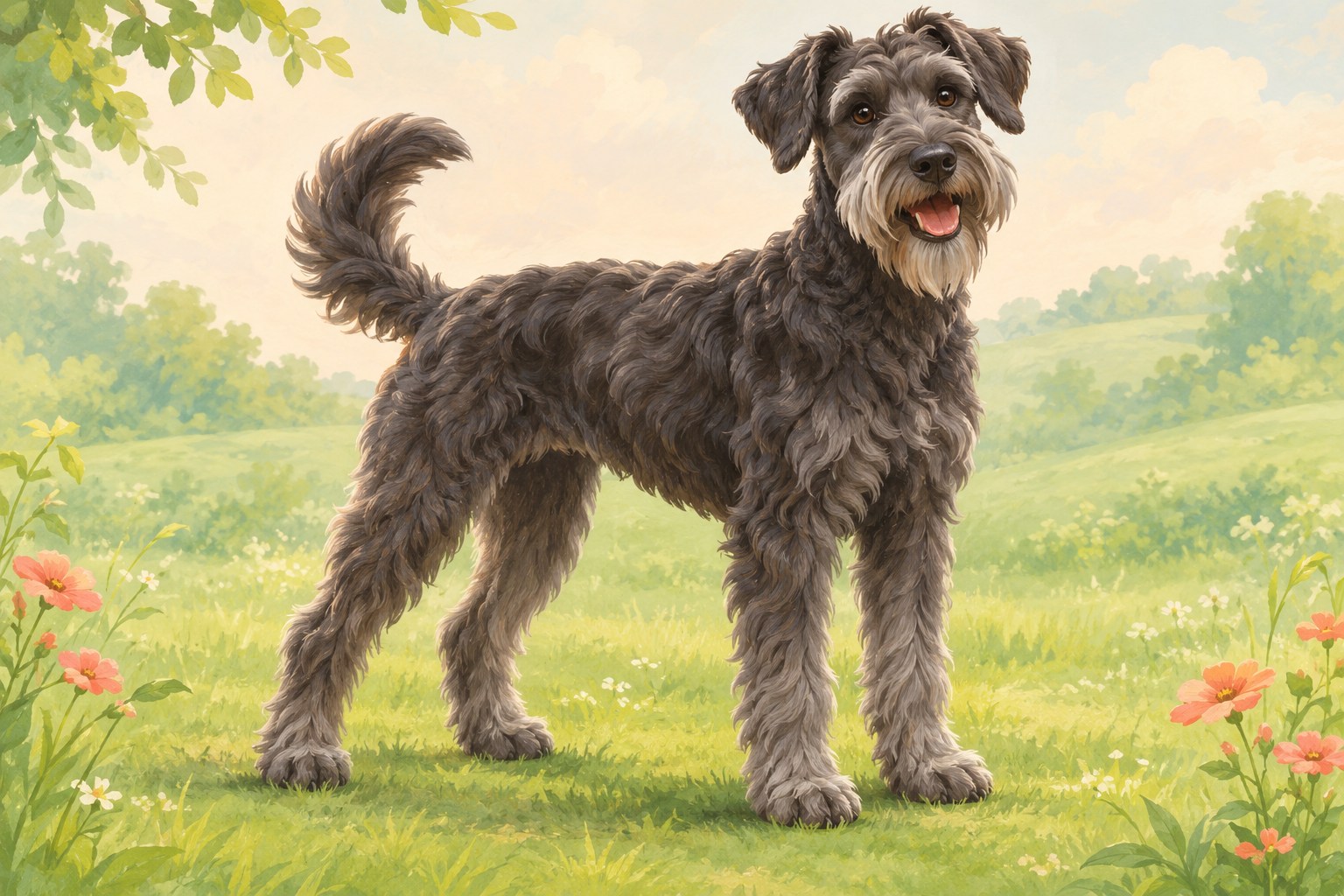
Standard Schnoodle →
Room for movement, training and daily life.
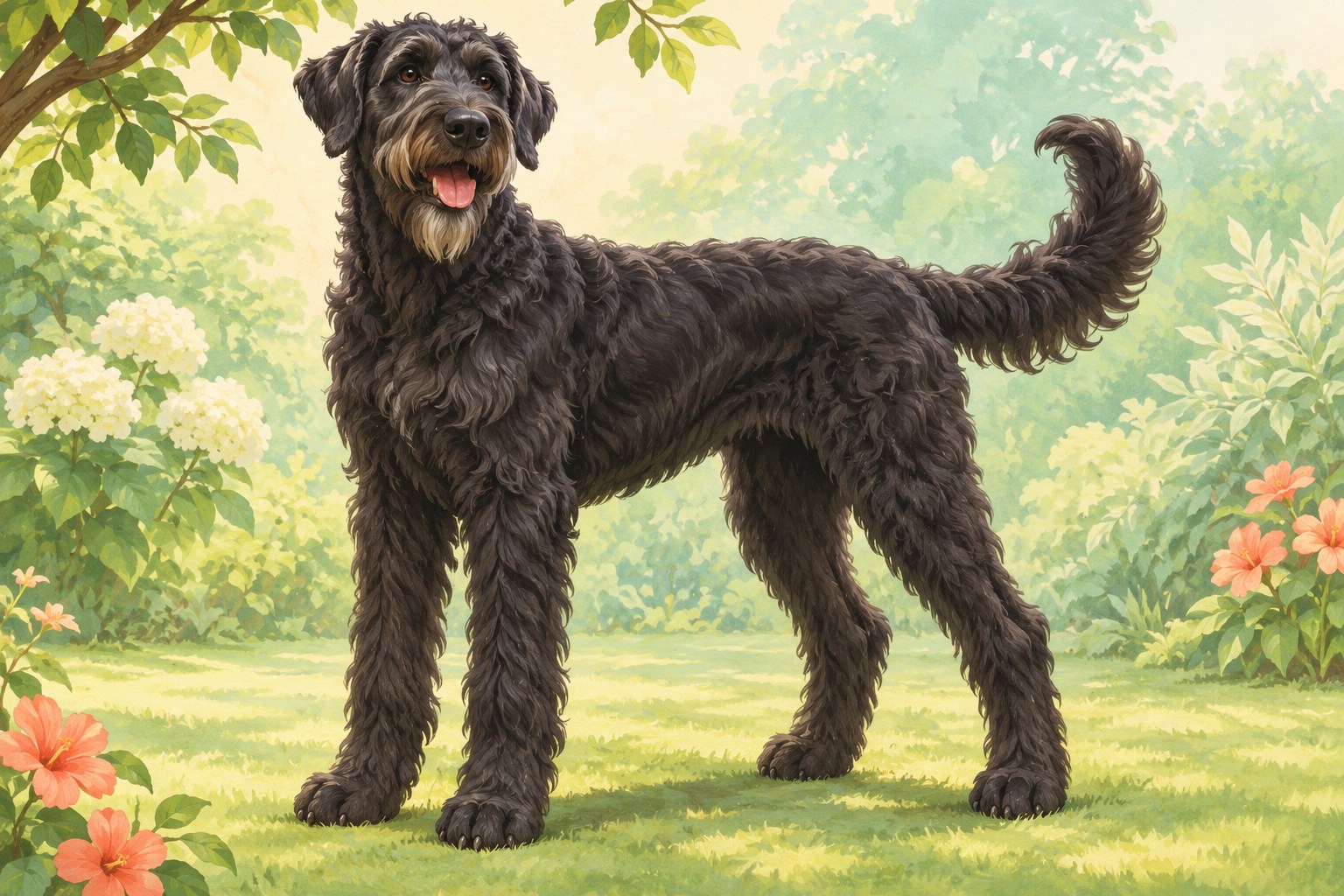
Giant Schnoodle →
A bigger dog, a more substantial commitment.
Independent information, individual dogs. These pages are educational and are not presented as veterinarian-reviewed. Ask your own vet about health, diet and symptoms. Illustrations show possible appearances; they do not establish ancestry, show a breed standard or compare dogs to scale.